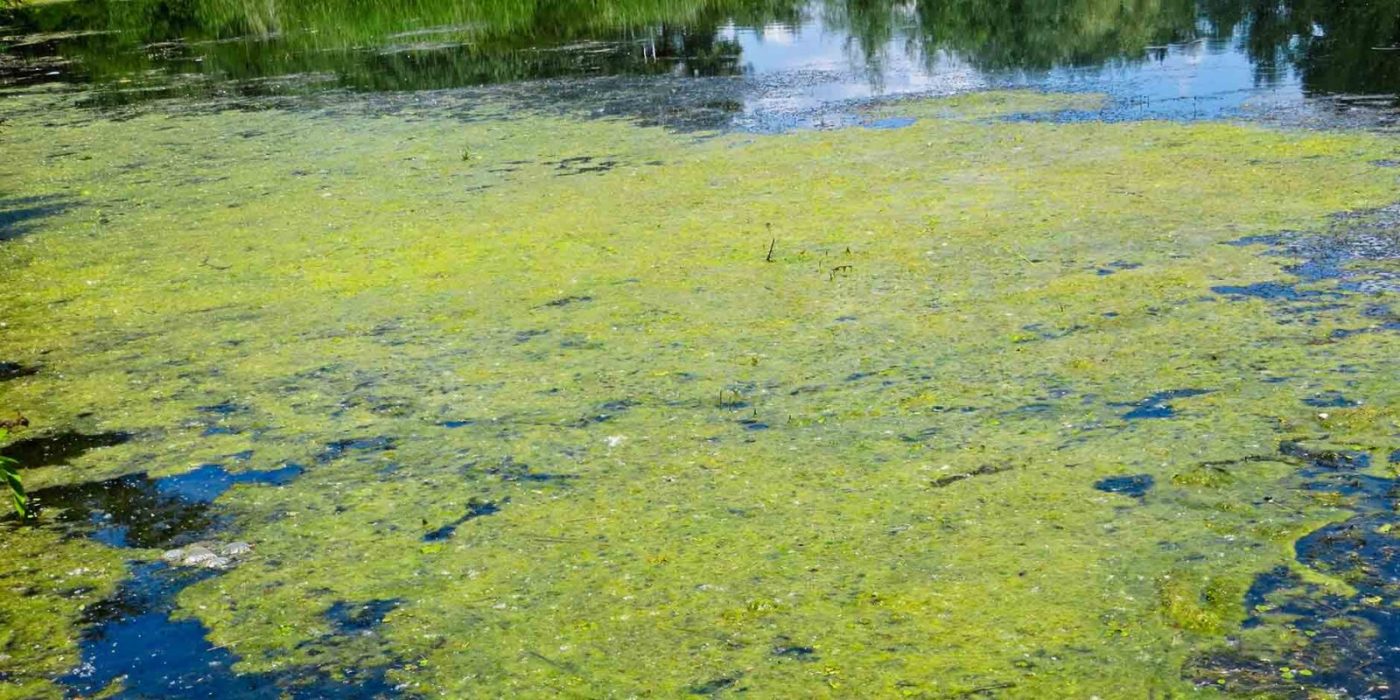
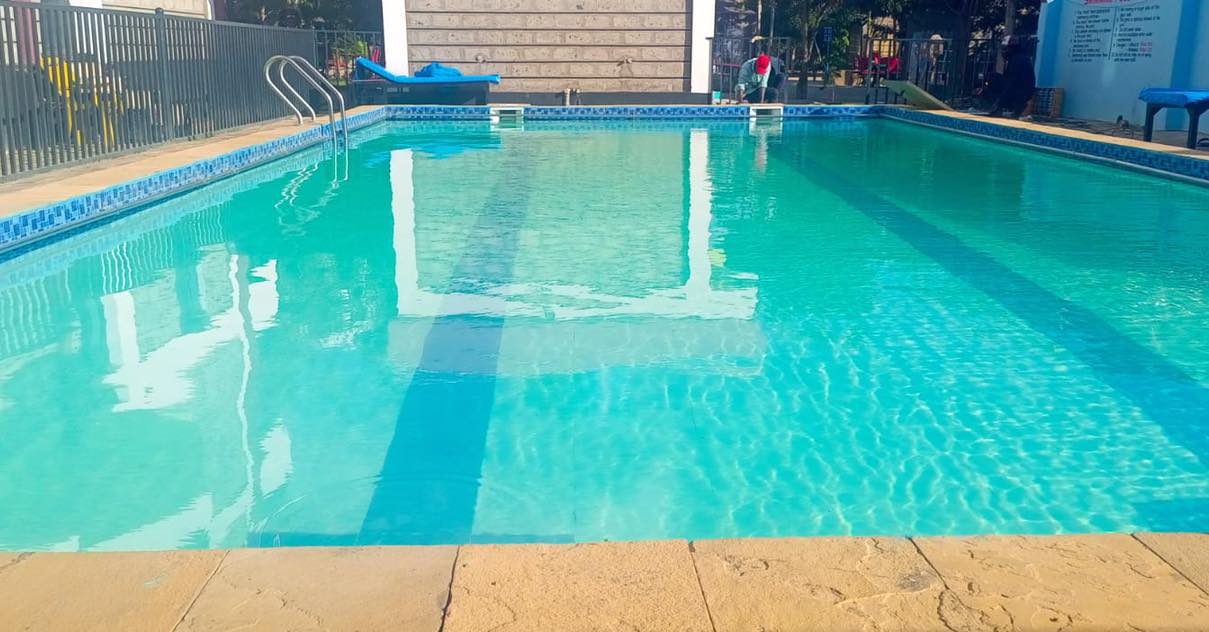
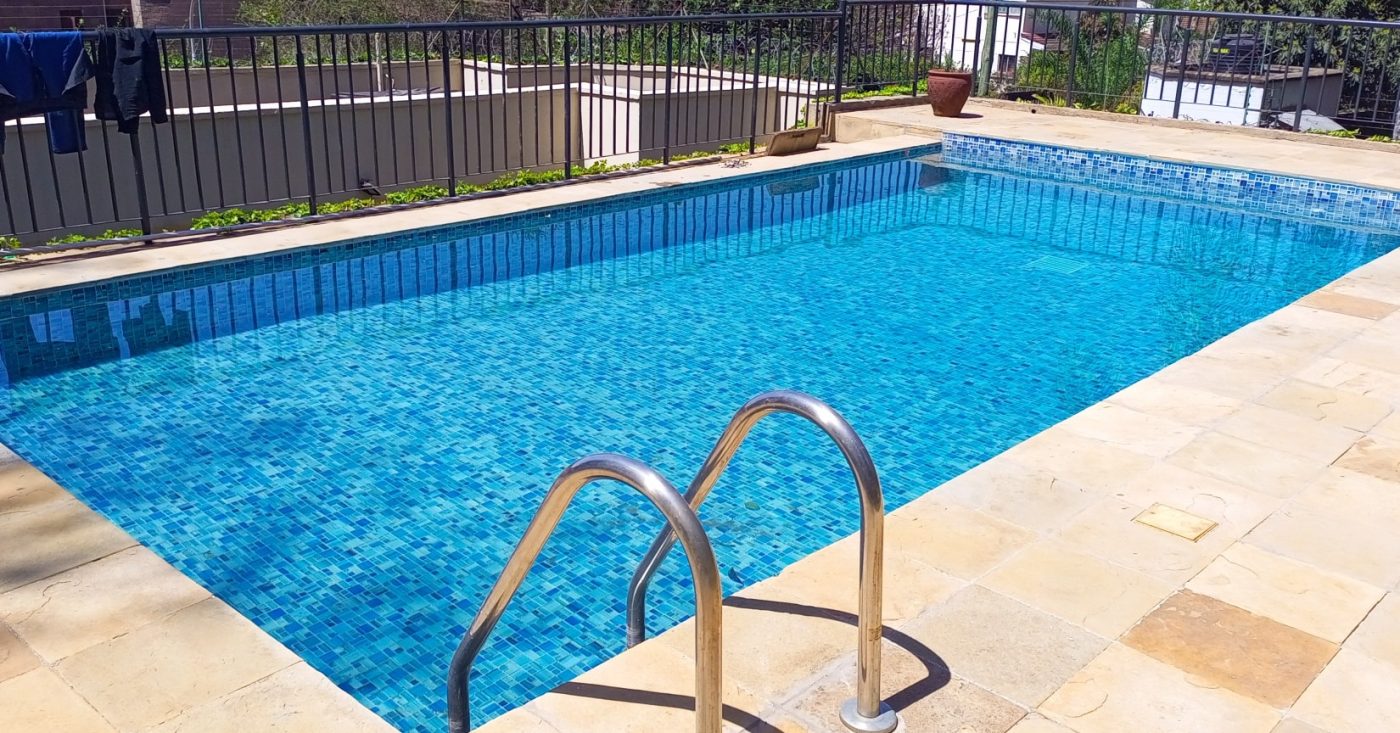
Algae growth is one of the most common and frustrating problems faced by swimming pool owners. It can turn clear water green, make surfaces slippery, and create unhealthy swimming conditions. In Kenya’s warm climate, algae can grow quickly if proper pool maintenance is not followed. The good news is that algae is preventable with the right care, chemicals, and maintenance routine. This guide explains how to prevent algae growth in your swimming pool and keep your water clean and safe all year round. What Causes Algae in Swimming Pools? Algae spores are naturally present in the environment and can enter your pool through rain, wind, dust, or contaminated swimwear. Algae growth is encouraged by: Understanding these causes helps you take the right preventive steps. 1. Maintain Proper Chlorine Levels Chlorine is your first line of defense against algae. Consistent sanitation prevents algae from taking hold. 2. Balance Pool Water Chemistry Unbalanced water chemistry reduces the effectiveness of chlorine and encourages algae growth. Balanced water chemistry improves swimmer comfort and keeps algae away. 3. Ensure Proper Water Circulation Poor circulation allows algae to settle and grow in stagnant areas. Good circulation distributes chemicals evenly and prevents dead spots. 4. Brush and Clean Pool Surfaces Regularly Algae often start growing on pool walls, floors, steps, and corners. Regular physical cleaning prevents algae from attaching to surfaces. 5. Keep the Pool Filter Clean A dirty filter cannot remove algae spores effectively. Efficient filtration keeps water clear and algae-free. 6. Use Algaecide as a Preventive Measure Algaecides are useful as a preventive treatment, especially during warm or rainy seasons. Algaecide provides extra protection against stubborn algae. 7. Control Debris and Organic Matter Leaves, insects, and dirt provide nutrients for algae. Reducing organic matter helps limit algae food sources. 8. Monitor Pool Water After Rainfall Rainwater can dilute chemicals and introduce algae spores. Extra care during the rainy season prevents sudden algae outbreaks. 9. Use Pool Covers When Appropriate Pool covers help limit contamination and sunlight exposure. Less sunlight and debris mean fewer algae problems. 10. Schedule Professional Pool Maintenance Professional maintenance ensures early detection and prevention of algae issues. Final Thoughts Preventing algae growth in your swimming pool requires consistency, proper chemical balance, and regular cleaning. By maintaining sanitizer levels, ensuring good circulation, cleaning surfaces, and responding quickly to changes in weather or usage, you can keep your pool clear and inviting.
Monthly Archives: December 2025
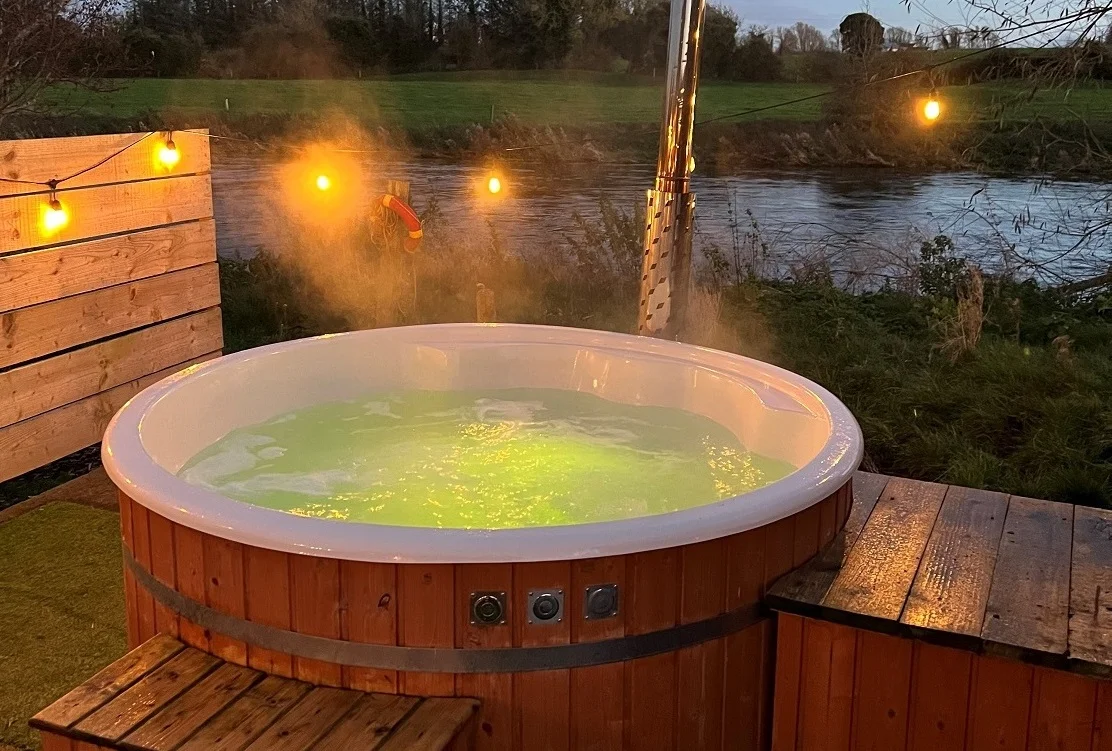
A jacuzzi is a great addition to any home, hotel, or spa, offering relaxation, hydrotherapy, and luxury. However, like any water system, jacuzzis can develop problems if not properly maintained. Understanding common jacuzzi issues and how to fix them can help you avoid costly repairs, extend equipment lifespan, and enjoy clean, safe water at all times. Below are the most common jacuzzi problems and practical solutions. 1. Cloudy or Dirty Water Problem:Cloudy water is one of the most common jacuzzi complaints. It is usually caused by poor filtration, unbalanced water chemistry, body oils, or debris. How to Fix It: Regular water testing and filter cleaning help prevent cloudy water from returning. 2. Strong Chemical Smell or Skin Irritation Problem:A strong chlorine smell or skin and eye irritation often indicates improper chemical balance, not too much sanitizer as many assume. How to Fix It: Balanced water chemistry ensures comfort and safety for users. 3. Weak or Non-Functioning Jets Problem:Jets may lose pressure or stop working due to clogged filters, air locks, or pump issues. How to Fix It: If the problem persists, professional inspection may be required. 4. Water Not Heating Properly Problem:A jacuzzi that fails to heat or takes too long to warm up can result from heater faults, thermostat issues, or poor circulation. How to Fix It: Heating problems should be addressed quickly, especially for commercial or high-use jacuzzis. 5. Algae Growth Problem:Algae can appear when sanitizer levels are too low or circulation is poor. It often causes slippery surfaces and green or cloudy water. How to Fix It: Prevent algae by regular cleaning and chemical maintenance. 6. Foamy Water Problem:Foam is caused by soap residue, body oils, cosmetics, or low calcium hardness. How to Fix It: Maintaining clean water habits reduces foaming significantly. 7. Leaks Around the Jacuzzi Problem:Leaks can occur from loose fittings, damaged pipes, or worn seals. How to Fix It: Prompt leak repair prevents water damage and equipment failure. 8. Noisy Pump or Equipment Problem:Unusual noises often indicate air in the system, worn bearings, or debris in the pump. How to Fix It: Ignoring noise can lead to major pump damage. 9. Frequent Tripping of Circuit Breaker Problem:This is usually caused by electrical faults, moisture exposure, or failing components. How to Fix It: Electrical issues should always be handled professionally for safety. Importance of Regular Maintenance Most jacuzzi problems are preventable with routine maintenance, including: Consistent care reduces downtime and repair costs. Final Thoughts Jacuzzis provide comfort and wellness, but they require proper care to perform at their best. By identifying common jacuzzi problems early and addressing them correctly, you can maintain clean water, reliable equipment, and a safe bathing experience.
When planning to build a swimming pool, one of the key decisions you’ll need to make is choosing the right pool circulation system. Two of the most popular options are infinity (overflow) pools and skimmer pools. While both serve the same purpose, they differ significantly in design, cost, maintenance, and overall appearance. Understanding the differences between infinity pools and skimmer pools will help you choose the option that best suits your space, budget, and intended use. What Is a Skimmer Pool? A skimmer pool is the most common type of swimming pool in Kenya, especially for residential properties. In this system, water is drawn from the pool surface through skimmer boxes installed along the pool walls. As water flows into the skimmers, leaves, debris, and surface contaminants are trapped in baskets before the water passes through the filtration system and is returned to the pool through inlet jets. Key Features of Skimmer Pools What Is an Infinity (Overflow) Pool? Infinity pools, also known as overflow or vanishing-edge pools, are designed so that water flows evenly over one or more edges into a hidden balance tank. This creates the visual effect of water extending endlessly into the surrounding environment. Overflow pools maintain a constant water level that is flush with the pool deck, giving them a sleek, high-end appearance often seen in luxury homes, hotels, and resorts. Key Features of Infinity Pools Design and Aesthetic Differences One of the biggest differences between infinity and skimmer pools is appearance. If visual impact and luxury appeal are priorities, infinity pools clearly stand out. Cost Comparison Cost is a major deciding factor for most pool owners. In Kenya, infinity pools can cost significantly more than skimmer pools, depending on size, design complexity, and location. Maintenance and Operation Maintenance requirements differ between the two systems. However, infinity pools offer better surface water cleaning since debris is continuously removed through overflow channels. Space and Site Requirements Site conditions such as slope, soil type, and drainage also play a crucial role in determining whether an infinity pool is feasible. Best Use Cases for Each Pool Type Skimmer Pools Are Best For: Infinity Pools Are Best For: Making the Right Choice Choosing between an infinity pool and a skimmer pool depends on your priorities. If you want a cost-effective, reliable, and easy-to-maintain swimming pool, a skimmer pool is an excellent choice. If you’re looking to make a bold architectural statement and enhance property value, an infinity pool offers unmatched visual appeal. Final Thoughts Both infinity pools and skimmer pools have their advantages. The right option depends on your space, budget, maintenance expectations, and design goals. Consulting experienced pool professionals ensures you choose a system that meets your needs while delivering long-term performance and enjoyment.
Swimming pools in Kenya are used throughout the year, but changing weather conditions can significantly affect water quality, equipment performance, and maintenance routines. The rainy and dry seasons each present unique challenges that pool owners must manage to keep their pools clean, safe, and cost-effective. Understanding seasonal pool maintenance helps prevent damage, reduces chemical waste, and ensures your pool remains inviting at all times. Pool Maintenance During the Rainy Season The rainy season brings heavy rainfall, debris, and changes in water chemistry, all of which require extra attention. 1. Manage Water Levels Heavy rains can cause water levels to rise above the skimmer line. Excess water reduces skimming efficiency and can affect chemical balance. 2. Increase Surface Cleaning Rain carries dirt, leaves, pollen, and organic matter into the pool. 3. Monitor Water Chemistry More Frequently Rainwater dilutes pool chemicals and alters pH levels. 4. Prevent Algae Growth Warm temperatures combined with rain create ideal conditions for algae. 5. Check Filtration and Circulation Debris from rain can clog filters and strain pumps. Pool Maintenance During the Dry Season The dry season brings higher temperatures, evaporation, and increased pool usage, all of which affect maintenance needs. 1. Maintain Proper Water Levels Hot weather causes faster evaporation. 2. Adjust Chemical Levels for Heat Higher temperatures increase chlorine consumption. 3. Manage Increased Pool Usage Pools are often used more during dry, sunny weather. 4. Protect Pool Surfaces and Equipment Prolonged sun exposure can affect pool finishes and equipment. 5. Monitor Energy and Water Usage Dry seasons often result in higher operational costs. Year-Round Maintenance Tips Regardless of the season, some best practices apply all year. Importance of Professional Pool Maintenance Seasonal challenges can be complex, especially for commercial and large residential pools. Professional pool maintenance services help: Final Thoughts Seasonal pool maintenance is essential for keeping your swimming pool in excellent condition throughout the year. By adjusting your maintenance routine during the rainy and dry seasons, you protect your investment, reduce operating costs, and ensure safe, enjoyable swimming.
A swimming pool is more than just a luxury feature—it is a strategic investment that can significantly increase property value in Kenya. With the growing demand for modern amenities in residential, commercial, and hospitality developments, swimming pools have become a key factor in influencing buyer and tenant decisions. Whether for a private home, apartment complex, or hotel, a well-designed swimming pool enhances both the financial and lifestyle appeal of a property. 1. Increased Market Appeal Properties with swimming pools stand out in Kenya’s competitive real estate market. Buyers and tenants are increasingly drawn to homes and developments that offer comfort, leisure, and modern living. A swimming pool instantly makes a property more attractive, especially in urban areas such as Nairobi, Mombasa, and resort destinations where lifestyle amenities are highly valued. For apartment complexes and gated communities, pools are often viewed as essential amenities rather than optional extras. This increased appeal leads to higher demand, faster sales, and reduced vacancy periods. 2. Higher Rental and Sale Prices Swimming pools allow property owners to command higher rental and sale prices. In Kenya, properties with pools typically attract premium pricing compared to similar properties without this feature. For rental properties, especially furnished apartments, Airbnb units, and holiday homes, a swimming pool can significantly increase nightly and monthly rates. Hotels, serviced apartments, and resorts also benefit from improved occupancy levels when swimming pools are available, making the investment worthwhile in the long term. 3. Enhanced Lifestyle and Comfort Modern buyers are not just purchasing property—they are investing in a lifestyle. Swimming pools provide relaxation, entertainment, fitness, and social opportunities. Families value pools for recreation, while professionals and expatriates appreciate the convenience of leisure facilities within their residence. In Kenya’s warm climate, swimming pools offer year-round usability, making them particularly attractive to both local and international buyers.’ 4. Competitive Advantage for Developers For real estate developers, including a swimming pool in a project creates a strong competitive advantage. Developments with pools often sell faster than those without. A well-designed pool becomes a marketing tool, helping developers differentiate their projects and justify higher pricing. Apartment blocks with shared pools appeal to middle- and high-income buyers who expect modern amenities as part of their living environment. 5. Increased Property Longevity and Perceived Quality A professionally constructed swimming pool enhances the overall quality and perception of a property. It reflects thoughtful planning, good design, and attention to detail. Buyers often associate pools with higher construction standards, better maintenance, and premium living. This perception can positively influence valuation, especially when combined with quality finishes, landscaping, and modern pool equipment. 6. Boost to Hospitality and Tourism Properties In the hospitality sector, swimming pools are often non-negotiable. Hotels, lodges, and resorts with pools consistently perform better than those without. Guests consider pools essential for relaxation and entertainment, particularly in coastal and safari destinations. For investors, this translates to better reviews, repeat bookings, and stronger revenue performance, all of which increase the overall value of the property. 7. Return on Investment (ROI) While swimming pool construction involves upfront costs, the long-term return on investment can be substantial. Increased property value, higher rental income, and improved marketability often outweigh construction and maintenance expenses. Energy-efficient pumps, modern filtration systems, and proper maintenance help keep operating costs manageable, further improving ROI. 8. Customization to Suit Different Property Types Swimming pools can be customized to suit various property types and budgets: This flexibility makes swimming pools a viable value-adding feature across different segments of Kenya’s real estate market. Final Thoughts Swimming pools significantly increase property value in Kenya by enhancing market appeal, lifestyle quality, and financial returns. Whether you are a homeowner, developer, or investor, a professionally designed and well-maintained swimming pool is a powerful asset.
Proper swimming pool maintenance keeps your water clean, safe, and inviting while protecting your investment. Whether you own a residential pool or manage a commercial pool in Kenya, following a regular maintenance schedule helps prevent costly repairs and extends the lifespan of your pool and equipment. This weekly, monthly, and annual pool maintenance checklist will help you stay on top of essential tasks and enjoy trouble-free swimming all year round. Weekly Pool Maintenance Checklist Weekly maintenance focuses on cleanliness, water balance, and early detection of problems. 1. Skim and Clean the Pool 2. Brush Pool Walls and Floor 3. Vacuum the Pool 4. Test and Balance Pool Water 5. Check Water Level Monthly Pool Maintenance Checklist Monthly tasks focus on equipment performance and deeper cleaning. 1. Inspect Pool Equipment 2. Clean the Pool Filter 3. Shock the Pool 4. Inspect Pool Tiles and Surfaces 5. Check Lighting and Electrical Components Annual Pool Maintenance Checklist Annual maintenance prepares your pool for long-term performance and safety. 1. Full Equipment Servicing 2. Deep Clean the Pool 3. Inspect Plumbing and Circulation Systems 4. Review Pool Safety Features 5. Reassess Chemical and Maintenance Plan Additional Tips for Pool Owners in Kenya Final Thoughts A consistent pool maintenance schedule is essential for clean water, safe swimming, and long-lasting pool equipment. While some tasks can be handled by pool owners, professional servicing ensures optimal performance and peace of mind.
Building a swimming pool is an exciting investment, but choosing the right pool size is one of the most important decisions you’ll make. A pool that’s too large can overwhelm your space and budget, while one that’s too small may not meet your needs. Whether you’re planning a residential, apartment, or commercial pool in Kenya, the right size should balance functionality, aesthetics, and long-term costs. This guide will help you understand how to choose the ideal swimming pool size for your available space. 1. Understand How the Pool Will Be Used The first step in choosing the right pool size is defining its primary purpose. Clarifying usage helps avoid overspending on unnecessary size. 2. Assess the Available Space Measure your available space carefully before deciding on pool dimensions. Remember that the pool is not the only element that needs space. You should also account for: In small compounds, compact rectangular or plunge pools work well. For larger properties, you can explore freeform or luxury designs without crowding the space. 3. Consider Pool Shape and Design The shape of your pool greatly affects how efficiently space is used. Choosing a shape that complements your compound ensures better space utilization. 4. Depth Matters as Much as Size Pool depth affects safety, cost, and usability. For most residential pools in Kenya, a mixed-depth design offers the best balance. 5. Factor in Budget and Maintenance Costs Larger pools cost more to build and maintain. Increased size means: If you’re working with a limited budget, it’s better to choose a smaller, well-designed pool with quality finishes and equipment rather than a large pool that becomes expensive to maintain. 6. Think Long-Term Your needs may change over time. A pool built for young children today may need to serve adults or guests in the future. Planning a versatile size and depth ensures your pool remains functional for years to come. For commercial properties, future expansion and occupancy growth should also be considered during the design phase. 7. Safety and Regulations Safety is critical when determining pool size and layout. Adequate space should be left for: Commercial pools must meet stricter safety and compliance standards, which may influence minimum size requirements. 8. Get Professional Guidance Choosing the right pool size is not just about measurements—it requires technical knowledge of construction, circulation systems, and site conditions. Professional pool designers and contractors can assess your space, understand your needs, and recommend the most suitable pool size and layout. Final Thoughts The right swimming pool size should enhance your space, not overwhelm it. By considering usage, available area, design, depth, budget, and long-term needs, you can achieve a pool that is functional, attractive, and cost-effective.
Building a swimming pool is a major investment that adds value, comfort, and luxury to a home, hotel, or commercial property. One of the most common questions property owners ask is: How much does it cost to build a swimming pool in Kenya? The answer depends on several factors, including pool size, design, materials, location, and additional features. In this article, we break down the costs to help you plan your budget realistically. Average Cost of Building a Swimming Pool in Kenya On average, the cost of building a standard concrete swimming pool in Kenya ranges between KSh 2.5 million and KSh 6 million. Luxury pools, infinity pools, or commercial-grade pools can cost more depending on specifications. Smaller residential pools may cost less, while large hotel or apartment pools cost significantly more. Key Factors That Affect Swimming Pool Construction Costs 1. Pool Size and Depth The bigger and deeper the pool, the higher the cost. A small family pool will cost much less than a large pool designed for apartments, schools, or hotels. Larger pools require more excavation, concrete, steel reinforcement, and finishing materials. 2. Type of Swimming Pool 3. Design and Custom Features Custom designs increase costs. Features such as: all add to the total budget. While these features enhance aesthetics and comfort, they should be planned carefully to avoid budget overruns. Breakdown of Swimming Pool Construction Costs Here is a general cost breakdown: These figures vary depending on pool size, brand of equipment used, and site conditions. Additional Costs to Consider 1. Pool Equipment & Accessories High-quality pumps, filters, and lighting systems cost more upfront but reduce maintenance and electricity costs in the long run. 2. Water Source Using borehole water may require additional chemical treatment systems, which can slightly increase costs. 3. Maintenance Costs After construction, ongoing costs include chemicals, electricity, cleaning, and servicing. On average, monthly maintenance costs range between KSh 15,000 and KSh 40,000, depending on pool size and usage. 4. Approvals and Site Conditions Difficult terrain, limited access, or soil conditions may increase excavation and construction costs. Residential vs Commercial Pool Costs Residential pools are generally cheaper due to smaller sizes and simpler designs. Commercial pools for hotels, apartments, and schools must meet safety and capacity standards, requiring stronger structures, larger filtration systems, and higher compliance costs. How to Reduce Swimming Pool Construction Costs Final Thoughts The cost of building a swimming pool in Kenya depends on your vision, space, and quality expectations. While it may seem expensive, a well-designed and professionally built swimming pool is a long-term investment that adds property value, lifestyle benefits, and commercial appeal.
Kenya’s Custom Pool Blueprint: Styles, Shapes, Features begins where climate, culture, and craft meet. From the salt-laced breeze of the Coast to the cool, high-altitude light of the Highlands and the sun-baked calm of the Rift, each setting asks a different question of a pool: how it sits in the wind, what it’s made of, how it frames the sky. A well-planned design is less a luxury statement than a lens-bringing landscape, daily rhythms, and long seasons into clear view. This guide maps the core choices you’ll face, whether you’re shaping a courtyard plunge for a compact Nairobi lot, a lap lane for steady training, or an infinity edge to soften the line between deck and savanna. We’ll outline style vocabularies-from crisp contemporary to Swahili-influenced and lodge-organic-pair them with practical shapes, and unpack features that earn their keep: sun shelves for families, salt or mineral systems for easier care, solar heating for cool evenings, and finishes that withstand coastal air or red-dust winds. Along the way, you’ll find considerations for orientation, privacy, safety, and water stewardship that fit Kenyan conditions and county requirements. Think of it as a blueprint for decisions: clear, adaptable, and rooted in place-so the pool you build is the one you’ll actually use, season after season. From Mombasa breezes to Nairobi chills: climate tuned pool styles that endure Coastal pools thrive on resilience and flow. In the warm, saline air, choose finishes and mechanics that shrug off corrosion while celebrating sea-kissed leisure. Freeform silhouettes with gentle curves soften crosswinds, while vanishing edges sip over low weirs to skim windblown sand. Dense porcelain or sealed quartzite decks stay cool underfoot; glass mosaics with epoxy grout resist brine. Shade geometry matters-arched pergolas and palms cast moving patterns that tame glare without trapping heat. Coast‑smart choices: marine‑grade hardware, salt‑tolerant pumps, UV‑stable plumbing, oversized skimmers with cartridge filters Wind and sand control: strategic windbreaks, raised coping lips, micro‑overflow channels, coastal planting as living screens Comfort contours: shallow tanning ledges, bench coves, broad steps for cooler lounging Durable decks: porcelain pavers, sealed quartzite, light hues to reflect heat Highland pools favor warmth retention and crisp lines. Cool evenings and bright days invite darker interiors for passive solar gain, compact lap lanes to conserve heat, and integrated spas for instant comfort. Smart systems stretch the season: heat pumps paired with solar collectors, automated covers that cut evaporative loss, and wind‑aware orientations that keep surface ripple low for swimmers. Highland‑smart choices: heat pumps + solar, insulated plumbing, automatic thermal covers Efficient forms: narrow lap pools, plunge courts, hybrid pool‑spa combos Material palette: dark quartz or basalt interiors, composite or thermally modified wood decking Air management: hedges or screens to break gusts, low‑profile water features for minimal cooling Region Shape Cue Energy Edge Finish & Deck Mombasa Coast Soft freeform Oversized skimming Epoxy grout + porcelain Nairobi Highlands Slim lap Solar + cover Dark quartz + composite Shapes that work where land is tight: sleek lap lanes, Roman curves and freeform oases On compact Kenyan plots-whether a skinny side yard in Nairobi, a coastal terrace in Mombasa, or a rocky nook in Naivasha-smart geometry turns every square meter into blue delight. Sleek lap lanes slide neatly between boundary walls and façades, delivering uninterrupted swim length with widths as lean as 2.4-3.0 m; finish them with flush-end steps, a safety ledge, and a discreet swim-jet for resistance training. Roman curves soften the rectangle with a semicircular end that invites lounging; an integrated arc bench doubles as social seating without stealing much footprint. For sites broken by trees, outcrops or odd angles, freeform oases weave around constraints, using radius corners, raised beams for privacy, and textured stone coping to create the illusion of more water in less space. Stretch the long axis along prevailing winds to help skim leaves and cool the water naturally. Mirror property lines with straight edges on one side, reserve curves where circulation is tight. Build up, not out: a raised beam or planter doubles as a splash guard and privacy wall. Multi-use entries: tanning ledge + step + kiddie zone in one compact shelf. Coastal toughness: glass mosaic waterlines and marine-grade rails resist salt and spray. Save water with auto-covers, liquid blankets, and rain-fed top-ups via concealed cisterns. Shape Typical footprint Edge style Space per meter of swim Best for Lap lane 2.7 × 12 m Straight ≈2.7 m²/m Side-yard strips Roman-end rectangle 3.5 × 9 m Straight + semicircle ≈3.2 m²/m Court yards Freeform mini-lagoon Variable, ~30 m² Irregular ≈3.5-4.0 m²/m Around trees/rocks Material choices and detailing tighten the blueprint further: light interiors amplify perceived volume, pinstripe lane tiles guide swimmers in narrow widths, and corner skimmers reclaim wall space for benches. With thoughtful proportions and layered functions-lap in the morning, lounge at noon, cool plunge at dusk-these compact geometries slip into dense neighborhoods while preserving breathing room for decks, planters, and that essential Kenyan sunset view. Feature playbook for resilience: solar heating, variable speed pumps, UV or salt care and rain top ups Solar collectors matched to Kenya’s generous sunlight push warmth into the water without straining the grid, especially in highland climates where evenings run cool. A thermal cover locks in gains, while a smart controller diverts roof heat only when panels are hotter than the pool. Pair that with a variable‑speed pump (VSP) that sips power at low RPMs for filtration and ramps up briefly for vacuuming or backwashing; you’ll cut energy draw, hush the equipment pad, and keep circulation stable through load-shedding. Thoughtful plumbing-wide‑radius elbows, oversized filters, and short suction runs-lets VSPs work at lower speeds without sacrificing flow. Low‑chemical care thrives with UV reactors that neutralize microbes on a single pass, or salt chlorinators that generate sanitizer on-site from simple pool salt-both trim transport and storage of chemicals while keeping water clear. Add rain harvesting for top‑ups: guttered roofs feed a settling tank with a first‑flush diverter, then a fine filter to the balance tank; automation pauses dosing during heavy storms and restores salinity […]