
Author Archives: admin

The Art of Illumination: Choosing the right light for your swimming pool

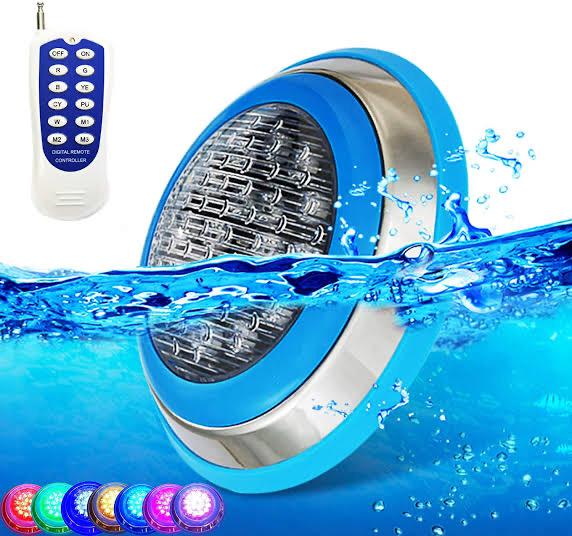
A well-lit swimming pool not only enhances its aesthetics but also ensures safety and security for nighttime swims. With a multitude of options available on the market, choosing the correct lights for your swimming pool can be a daunting task. However, with careful consideration and a professional approach, you can achieve the perfect balance between functionality and style. We will guide you through the key factors to consider when selecting pool lights, ensuring that your pool becomes a visual masterpiece. 1. Safety First: Opt for LED Lights When it comes to pool lighting, safety should always take precedence. LED lights are the ideal choice due to their low voltage, long lifespan, and energy efficiency. Compared to traditional incandescent or halogen lights, LEDs provide a brighter and more uniform light, without generating excessive heat. Additionally, LED lights are resistant to water and chemicals, making them perfect for pool environments. 2. Think About Purpose: Consider Task and Ambient Lighting To set the right mood and ambiance, it is essential to understand the different types of lighting available for your swimming pool. Task lighting, such as wall-mounted or flush-mounted lights, ensures proper illumination for swimming and other water activities. On the other hand, ambient lighting, such as in-pool lights or floating lights, adds a captivating and magical touch to your pool area, perfect for entertaining or relaxation. 3. Add a Splash of Color: RGB Lights for Dramatic Effects For those looking for a touch of extravagance, RGB (Red, Green, Blue) lights bring a whole new level of customization and creativity to your pool. With these lights, you can create an array of stunning colors and captivating light shows, transforming your pool into a mesmerizing oasis. Whether it’s for a pool party or a romantic evening, RGB lights allow you to effortlessly set the mood and make a bold statement. 4. Seek Professional Guidance When it comes to choosing the right lights for your swimming pool, seeking professional guidance can save you time, money, and headaches. At Aqualite, we provide you with valuable insights on the latest technologies, designs, and installation methods. Moreover, we help you maximize energy efficiency and recommend the best brands that align with your preferences and budget. Selecting the perfect lights for your swimming pool is a transformative decision that can elevate your pool experience and impress your guests. By prioritizing safety, considering purpose, exploring creative lighting options, and seeking professional guidance, you can ensure that your pool becomes a stunning visual masterpiece that is equally functional and beautiful. So, go ahead and contact us at info@aqualite.co.ke
Unveiling the cost of building a Sauna

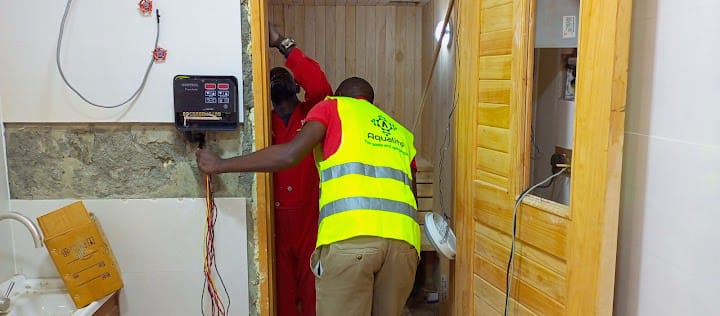
When it comes to wellness and relaxation, a sauna offers a spa-like experience in the comfort of your own home. With its numerous health benefits, the popularity of saunas is on the rise in Kenya. If you’re considering the construction of a sauna and want to have a clear understanding of the costs involved, you’ve come to the right place. In this blog section, let’s delve into the key factors that influence the cost of constructing a sauna in Kenya. Factors Affecting the Cost: 1. Size and Design: The size of your sauna plays a significant role in determining the construction cost. Whether you opt for a small home sauna or a larger commercial one, the materials required will vary accordingly. Additionally, the design and layout choices, such as the inclusion of seating areas, lighting, and ventilation, will impact the cost. 2. Sauna Type: There are various types of saunas available, including traditional Finnish saunas, infrared saunas, and steam saunas. The cost will vary depending on your preference. Traditional Finnish saunas, made of wood, are typically more expensive than infrared or steam saunas that use different heating mechanisms. 3. Materials: The choice of materials for your sauna also affects the overall cost. High-quality, durable woods like cedar or spruce are commonly used for sauna construction and can be more expensive compared to other types of wood. Additionally, features such as glass doors, benches, and accessories will contribute to the overall cost. 4. Installation and Wiring: Proper sauna installation is crucial for its functionality and durability. Depending on your location and the complexity of the installation process, hiring a professional contractor may be necessary. Additionally, electrical wiring requirements for heating elements and lighting need to be considered, which might add to the overall cost. The cost of constructing a sauna in Kenya can vary significantly depending on factors such as size, design, type, materials, and installation requirements. At Aqualite we put all these factors into consideration basing our pricing on your specific preferences and needs. Tentatively, a typical domestic Sauna measuring 1.5 Metres by 1.5 metres will cost between Kshs 600,000/= to Kshs 700,000/=. Investing in a sauna can enhance your overall well-being and provide a luxurious retreat within the confines of your home, making it a worthwhile expenditure for those seeking relaxation and rejuvenation. Should you have any further queries or require assistance, feel free to reach out to us at info@aqualite.co.ke . Stay tuned for more valuable information on creating your own at-home oasis!

Equipment You require when constructing a Swimming pool.

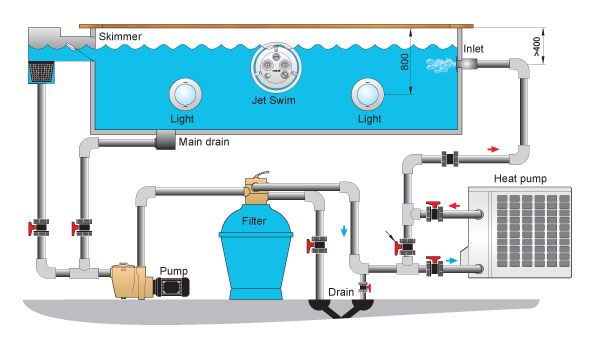
When it comes to constructing a swimming pool, having the right equipment is crucial for ensuring the perfect balance between functionality, maintenance, and enjoyment. From the filtration system to temperature control and safety measures, each piece of equipment plays a vital role in keeping your pool clean, clear, and comfortable. Let’s take a closer look at some must-have swimming pool equipment that every pool owner should consider: 1. Swimming  Pool Pump  A reliable pool pump is the heart of your swimming pool circulation system. It helps to circulate water through the filtration system, keeping the pool clean and free from debris. Look for energy-efficient models that have variable speed options for enhanced control and energy savings. 2. Swimming Pool Filter A pool filter is responsible for trapping dirt, debris, and other impurities to ensure crystal-clear water. There are three main types of pool filters: sand filters, cartridge filters, and diatomaceous earth (DE) filters. Each type has its pros and cons, so choose the one that suits your needs and budget. 3. Pool Pump Starters Also known as time clocks, pump starters automate the operation of your pool pump and other equipment. These programmable devices help you regulate pool maintenance tasks, such as filtration, heating, and cleaning, ensuring optimal efficiency. 4. Salt Chlorinator Say goodbye to traditional chlorine treatments with a salt chlorinator. This device salt to produce chlorine, significantly reducing the need for chemical additives. Besides providing more pleasant swimming experience, salt chlorin are gentler on the skin and eyes. 5. Swimming Pool Heat Pump Extend your swimming season with a heat pump that warms up your pool water efficiently. These eco-friendly devices extract heat from the surrounding air and transfer it to the water, maintaining a comfortable temperature even during cooler months. 6. Swimming Pool Cover A high-quality pool cover is essential for keeping debris out, reducing evaporation, and preventing heat loss. It not only helps in maintaining water quality but also saves energy by reducing the need for heating and chemical additions. 7. Swimming Cleaning Kit To keep your pool water pristine and inviting, a cleaning kit is essential. It typically includes a telescopic pole, skimmer, vacuum head, and brush. Regularly removing leaves, debris, and any floating particles is crucial to maintain a hygienic swimming environment. Investing in the right swimming pool equipment during the construction process ensures that your pool remains clean, safe, and enjoyable for years to come. Whether it’s the pool pump, filter, pump starters, salt chlorinator, heat pump, or swimming pool cover, each piece of equipment contributes to the overall efficiency and maintenance of your pool. Contact Aqualite for needs and budget.

The Cost of Maintaining a Swimming Pool in Kenya

Swimming Pools

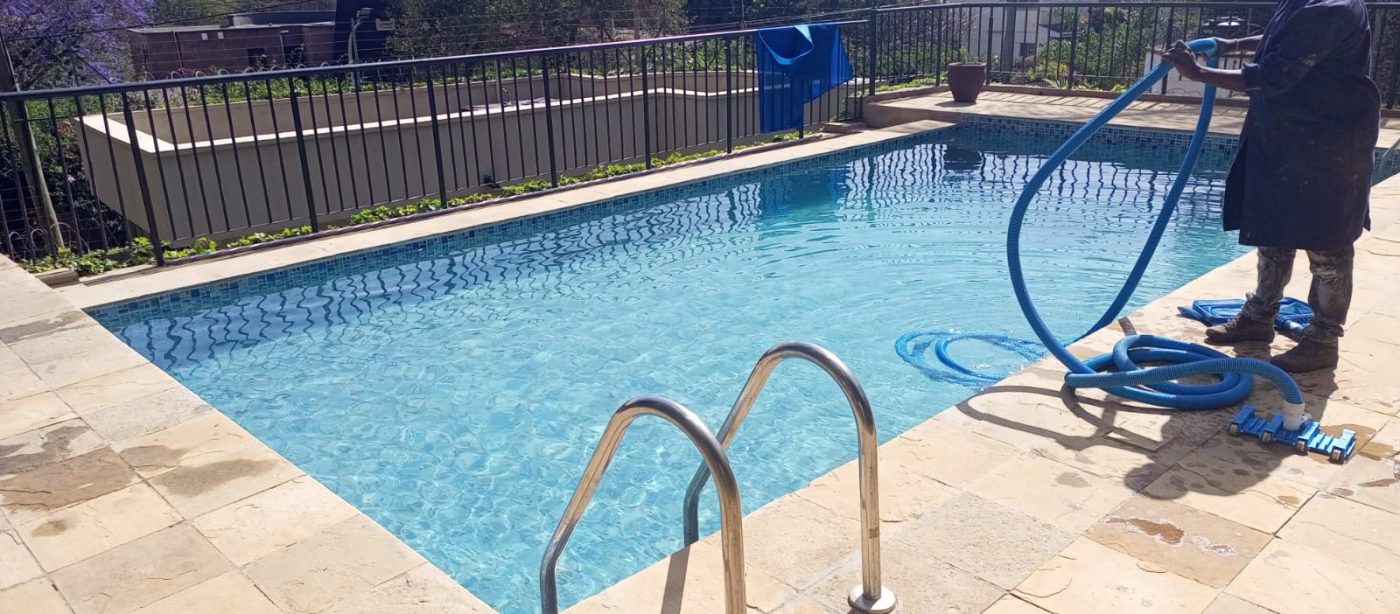
Are you considering installing a swimming pool at your residence or commercial property in Kenya? While having a swimming pool can bring immense joy and provide a refreshing escape from the scorching Kenyan heat, it’s important to consider the cost of maintaining it. In this blog section, we will shed light on the various expenses associated with swimming pool maintenance in Kenya, allowing you to make an informed decision. 1. Initial Installation Cost: Installing a swimming pool involves a significant upfront investment. The cost can vary depending on factors such as the size, type (e.g., concrete, fiberglass), design, and additional features (e.g., lighting, heating systems). It is essential to carefully budget for these expenses to avoid any unpleasant surprises. 2. Regular Cleaning and Water Treatment: To ensure your pool remains safe and hygienic, regular cleaning and water treatment are necessary. This entails skimming the surface, vacuuming the pool floor, brushing the walls, and checking the chemical levels. You can choose to hire a professional pool cleaning service or undertake these tasks yourself, factoring in the associated costs of equipment, cleaning products, and water testing kits. 3. Energy Costs: Swimming pool maintenance in Kenya also includes energy costs. Pool pumps, heaters, and filters consume a significant amount of electricity to keep the water circulating and at a comfortable temperature. Consider investing in energy-efficient systems to minimize your monthly energy bills in the long run. 4. Repairs and Upgrades: Over time, your swimming pool may require repairs and upgrades. This could include fixing cracks, replacing pool equipment, or renovating the pool deck. Budgeting for these expenses is crucial to maintain the functionality and aesthetics of your pool. 5. Insurance and Permits: Don’t forget to factor in the cost of insurance and necessary permits. While insurance may seem like an additional expense, it provides peace of mind in case of any accidents or damages. Additionally, understanding and adhering to local regulations surrounding pool ownership will save you from potential fines or legal issues. In conclusion, though the cost of maintaining a swimming pool in Kenya is a significant consideration, the enjoyment and value it brings to your property may outweigh the expenses. By carefully planning for installation, cleaning, energy usage, repairs, and adhering to necessary regulations, you can ensure the long-term success and pleasure of owning a swimming pool in Kenya. Remember, owning a swimming pool comes with responsibilities, but with proper maintenance, it can be a delightful addition to your property that provides endless hours of enjoyment all year round.

Identifying the Culprit: Common Causes of Swimming Pool Leakage

Swimming Pools

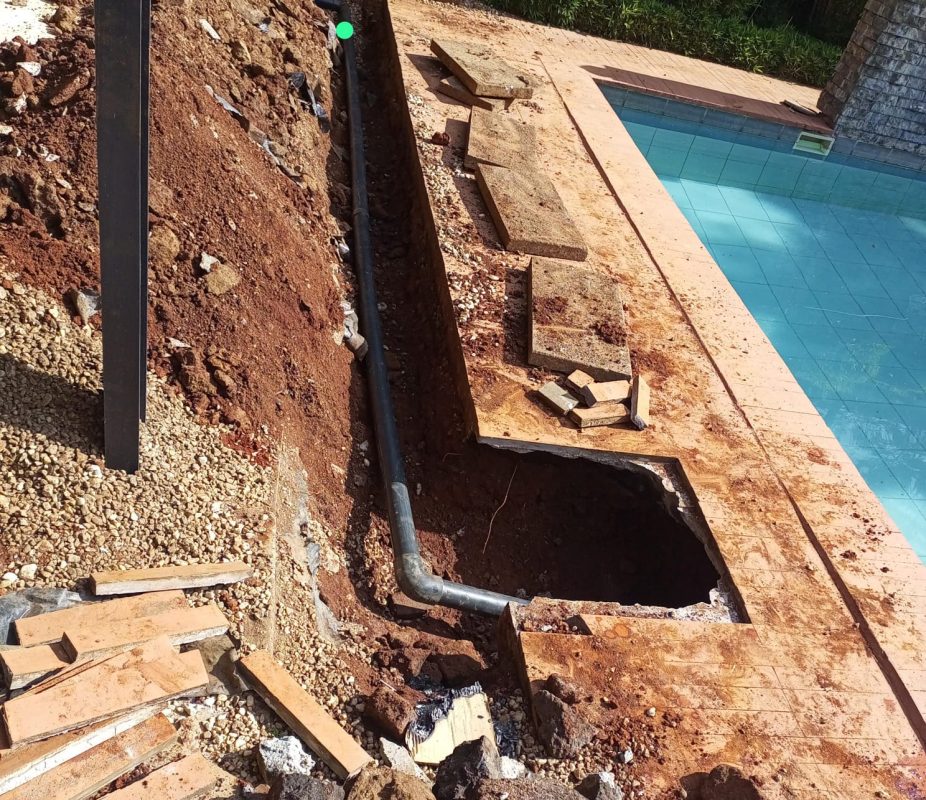
As a proud pool owner, there’s nothing more disheartening than discovering a leakage in your oasis of relaxation. Not only can it lead to a significant water loss, but it may also cause damage to the surrounding area if left unaddressed.  In this blog section, we will explore some of the most common causes of swimming pool leakage, helping you identify the culprit and understand the importance of timely repairs. 1. Structural Damage: Over time, the structure of your swimming pool may develop cracks or deteriorate. This can be caused by a variety of factors, including ground movement, freezing and thawing cycles, or even improper installation. These cracks, if neglected, can quickly become a major source of water leakage. Hiring a professional pool technician to assess and repair the structural damage can prevent further complications down the line. 2. Plumbing Issues: Faulty or damaged plumbing components are often the primary culprits behind pool leaks. Issues such as loose fittings, worn-out seals, or malfunctioning valves can lead to water seepage. In some cases, even a small leak in the pipes can result in significant water loss over time. Conducting regular inspections of the plumbing system and conducting proactive maintenance can help identify and address these issues before they escalate. 3. Skimmer or Return Leaks: The skimmer and return lines, responsible for ensuring proper water circulation, may develop leaks over time. Cracked or faulty skimmer throats, damaged return jets or impaired connections can contribute to water escaping the pool. If you notice water levels consistently dropping, these components should be inspected and repaired promptly to avoid further water loss. 4. Vinyl Liner Tears: For pools with vinyl liners, tears or punctures in the liner can cause water to leak out. Sharp objects, improper cleaning techniques, or aging liners are common factors contributing to this issue. Detecting and repairing vinyl liner leaks can be challenging, as they are often small and hard to detect. Consulting a professional pool technician experienced in vinyl liner repairs is crucial to accurately identify and address these leaks. 5. Groundwater Pressure: In some cases, leakage may be due to excessive groundwater pressure around the pool. This can lead to hydrostatic pressure, forcing water into the pool through cracks or weak points in the structure. Installing a hydrostatic relief valve or implementing appropriate drainage systems can help alleviate this issue and prevent further leaks.  Remember, prompt identification and repair of pool leakage is vital to minimize water loss, prevent further damage, and maintain a safe and enjoyable swimming experience. If you suspect a pool leak, it is recommended to consult qualified swimming pool experts like Aqualite for a thorough inspection and professional repair options. Acting swiftly can not only save you money but also preserve the longevity of your pool, allowing you to relish many more refreshing dips for years to come. For swimming pool leakage consultation and repairs, contact us at info@aqualite.co.ke
Types of Swimming pool covers

Swimming Pools

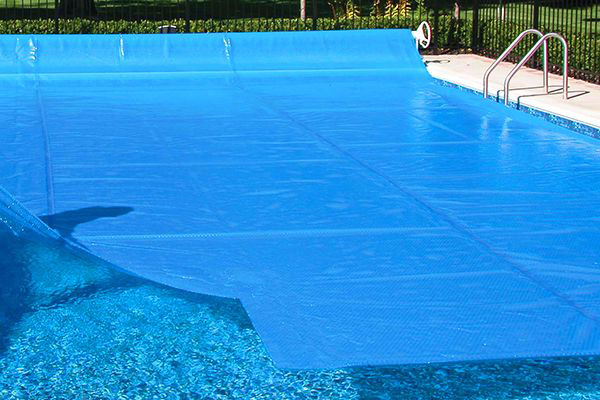
Introducing our wide range of swimming pool covers, designed to provide utmost convenience and protection for your precious pool. With an excellent variety to suit every need, we bring you an unmatched level of quality and innovation to keep your pool in pristine condition year-round. 1. Solar pool covers. Crafted with advanced technology, these covers harness the power of the sun to raise your pool’s water temperature naturally. They act as a shield, preventing heat loss and evaporation, ultimately cutting down on your energy bills. Say goodbye to chilly swims and hello to a comfortably warm pool, courtesy of our solar pool covers. 2. Safety Pool covers For those seeking a more versatile option, our safety pool covers offer peace of mind and meet the highest safety standards. Engineered with reinforced materials, these covers are built to withstand heavy loads and act as a robust barrier, preventing accidental falls and keeping your loved ones safe. Additionally, they effectively keep leaves, debris, and dirt out of your pool, reducing the need for constant cleaning. 3. Premium mesh pool covers In need of a cover that combines functionality and aesthetic appeal? Look no further than our premium mesh pool covers. These stylish and breathable covers offer exceptional protection against unwanted debris while allowing water to easily pass through, preventing the accumulation of stagnant water. With their sleek design and UV-resistant fabric, these mesh covers offer durability without compromising on the elegance of your pool area. 4. Automatic pool covers Automatic pool covers effortlessly combine convenience and efficiency. With a push of a button, these innovative covers effortlessly extend or retract, saving you time and effort. Their sturdy construction ensures durability, while their state-of-the-art technology provides an extra layer of security and convenience for your pool. Here at Aqualite, we understand the importance of finding the perfect pool cover that meets your specific needs. That’s why we strive to offer a comprehensive selection, from solar and safety covers to mesh and automatic covers. With our swimming pool covers, you can enhance your pool experience, save on energy costs, and enjoy the peace of mind that your pool is well-protected. Trust us to bring you top-notch quality and unmatched reliability. Dive into excellence with Aqualite.

Should I invest in a Salt Chlorinator for my Swimming Pool?

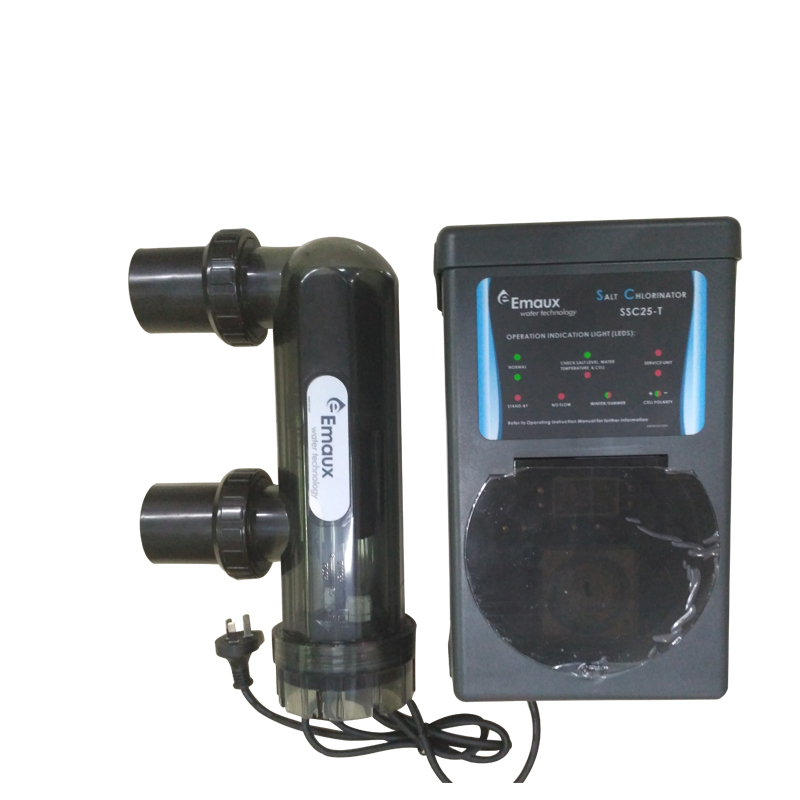
Typically, the practical way to keep most swimming pools sanitary was by adding large quantities of chlorine to the pool water. While highly effective at killing all kinds of nasty microorganisms, pool chlorine is definitely unpleasant to work with, is odorous , and can sometimes be harmful if accidentally spilled. Consequently, many pool owners have ditched conventional chlorine tablets, powders and solutions, and instead choose salt water chlorinators to keep their pool water clean and safe. These unique devices have numerous advantages over conventional pool chlorine, and are well worth the investment for many outdoor pool owners. How does a salt chlorinator work? Salt water chlorinators use a simple electrical phenomenon called electrolysis to transform sodium chloride, better known as common household salt, into chlorine.A salt cell and power supply work with a low voltage current. As water flows through the cell, the voltage splits the salt and water into hydrogen and hypochlorous acid (Hypochlorous acid is a weak acid that forms when chlorine dissolves in water). Hypochlorous acid is a replacement for pre-packaged chlorine.   This chemical reaction converts the dissolved salt into chlorine, and the newly chlorinated water is then released back into the pool. What are the advantages of using salt water chlorinators in outdoor pools? Safe and easy to use Because salt water chlorinators only require a supply of salt and a low-power electrical supply to create chlorine, they are extremely safe to use. You will never have to handle any more toxic chlorine yourself, and accidentally spilling a bucket of salt over your forearm is definitely less painful.Using a salt water chlorinator also eliminates the possibility of accidental chlorine overdose, which can cause eye and skin irritation in swimmers and can damage and discolour swimming costumes. They create chlorine at a slow, steady rate, and most models feature control boards that you can use to lessen or cut the supply of power to the chlorinator when pool chlorine levels get too high.   Environmentally friendlyChlorine doesn’t just kill bacteria and algae — it kills pretty much everything that is exposed to too much of it. if you accidentally spill your supply of pool chlorine, or your chlorine containers leak while they are in storage, the toxic chlorine can cause widespread contamination of the surrounding soil, and can also poison local groundwater supplies. An investment in a salt water chlorinator is a much more environmentally friendly option, since they only require non-toxic salt to function. They also require very little energy to run, so they will not significantly increase your pool’s energy consumption or carbon footprint. Lower long-term costsA high quality salt water chlorinator for your pool represents a significant investment, but one that will pay for itself over time, for one simple reason; salt costs significantly less than pool chlorine. Rock salt, which is the purest type of salt used in pools, costs a fraction of the price of basic pool chlorine, and owners of larger pools may save hundreds of dollars a year when they switch to salt water chlorination. As you can see, there are many potential advantages to salt water chlorinators in outdoor pools. However, they are not suitable for all pools, and can even damage pools made from certain types of materials, so you should always seek expert advice before you invest in a chlorinator. If you need advice, or want to know if your pool is compatible with salt water chlorinators, contact the experts at Aqualite  

The process of constructing a concrete swimming pool

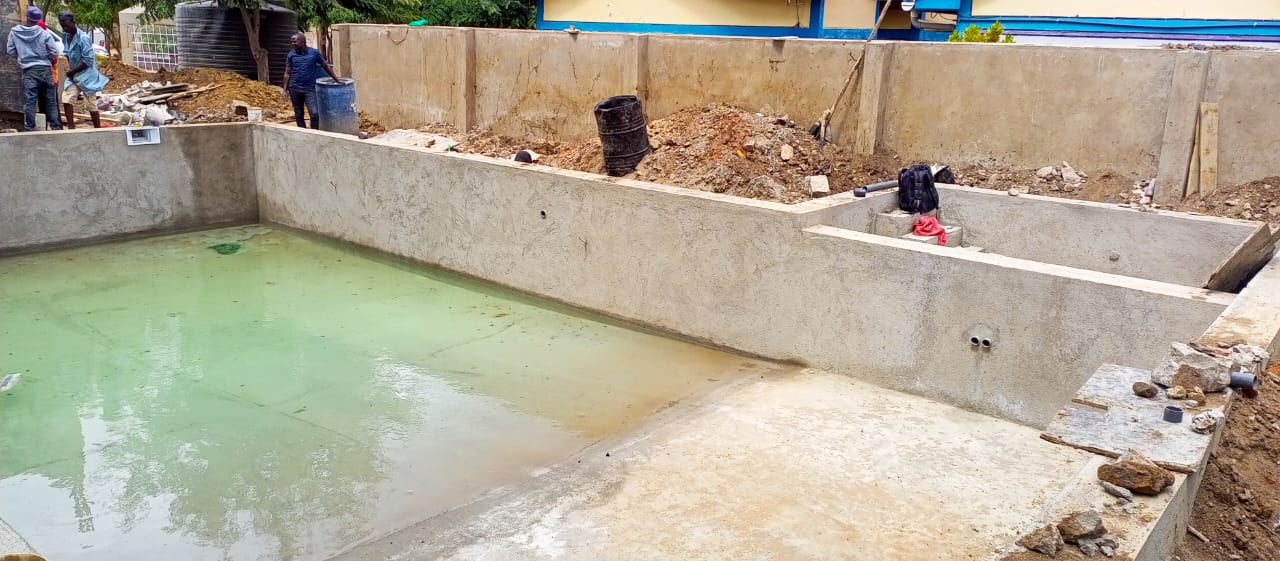
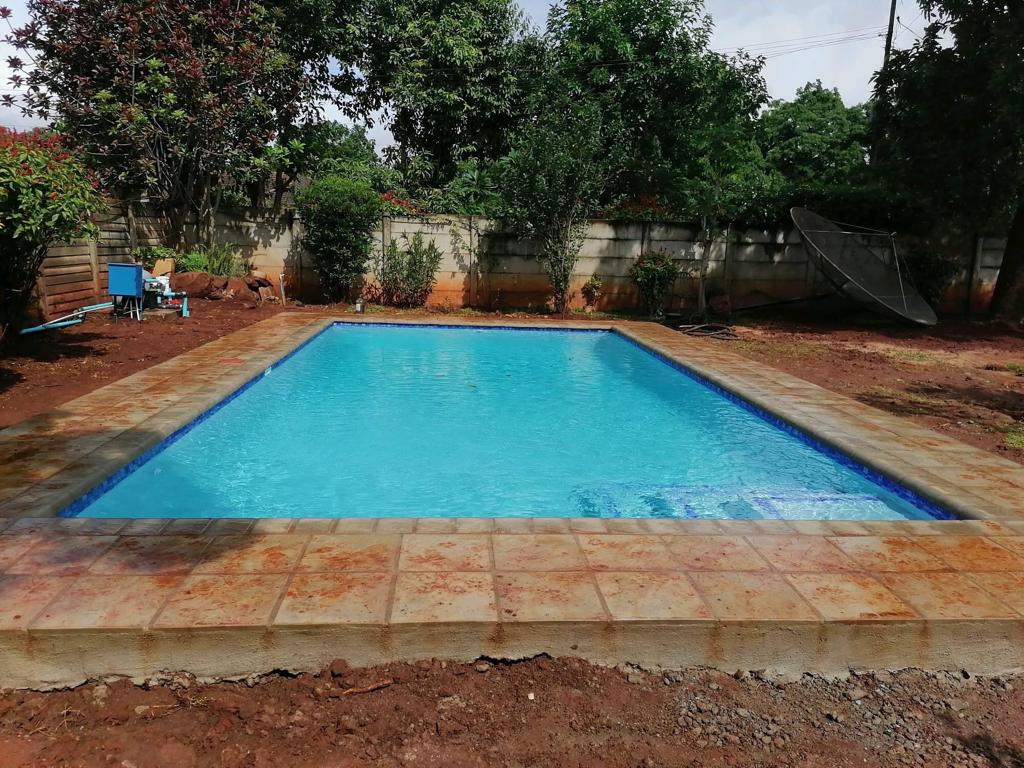
Constructing a swimming pool is an exciting and rewarding project that enhances the aesthetic appeal and functionality of any property. In Kenya, concrete pools have become increasingly popular due to their durability and versatility. This article provides a step-by-step overview of the construction process for concrete swimming pools in Kenya, as well as some key considerations to keep in mind. 1. Design and Planning The first and most crucial step in constructing a concrete swimming pool is designing and planning. This involves carefully considering the size, shape, and location of the pool, as well as any additional features such as diving boards or waterfalls. Professional pool designers and architects play a crucial role in this phase, as they will create detailed plans and ensure compliance with local building codes. At Aqualite, we bring your dream pool to life. Our professional swimming pool designs are tailored to your unique preferences, ensuring a luxurious and refreshing oasis just outside your doorstep. 2. Excavation and Site Preparation Once the design and plans are finalized, the next step is excavation. Heavy machinery is used to dig out the designated area for the pool, taking into account the desired depth and shape. The excavated area is then leveled and compacted to create a stable foundation. 3. Steel Reinforcement The next crucial step is the installation of steel reinforcement, which provides structural integrity to the concrete pool. Steel bars or mesh are strategically placed according to the design specifications and are crucial for preventing cracks and ensuring the durability of the pool. 4. Plumbing and Electrical Works In this phase, plumbing and electrical provisions are installed. Pipelines for water circulation, filtration systems, and drainage are carefully integrated into the pool structure. Similarly, electrical provisions necessary for pool lighting and any additional features, such as water jets or heating systems, are meticulously installed. 5. Formwork and Concrete Pouring Once the reinforcement and necessary utilities are in place, formwork is erected to give shape to the pool. The formwork is typically made from timber or specialized forms and is essential for containing the concrete during pouring. High-quality concrete is carefully mixed and poured into the formwork, taking care to avoid air bubbles and ensuring a smooth finish. 6. Finishing and Landscaping After the concrete has sufficiently cured, the formwork is removed, revealing the pool’s final shape. At this stage, any necessary repairs or adjustments are made to the concrete. Tile work or plastering is then applied to the interior surfaces of the pool for aesthetic appeal and a comfortable experience. Landscaping around the pool area, including deck construction and the addition of plants or fencing, is also completed at this stage. Conclusion Constructing a concrete swimming pool in Kenya involves several intricate steps that require professional guidance and expertise. With Aqualite we will carefully design, plan and execute each phase of the process. We are the best swimming pool contractors who create stunning and durable pools that will provide years of enjoyment for yourself and others. Whether for private residences, hotels, or recreational facilities, an Aqualite pool offers a timeless and elegant addition to any property in Kenya.

Do I need a Pool Cover?

Swimming Pools

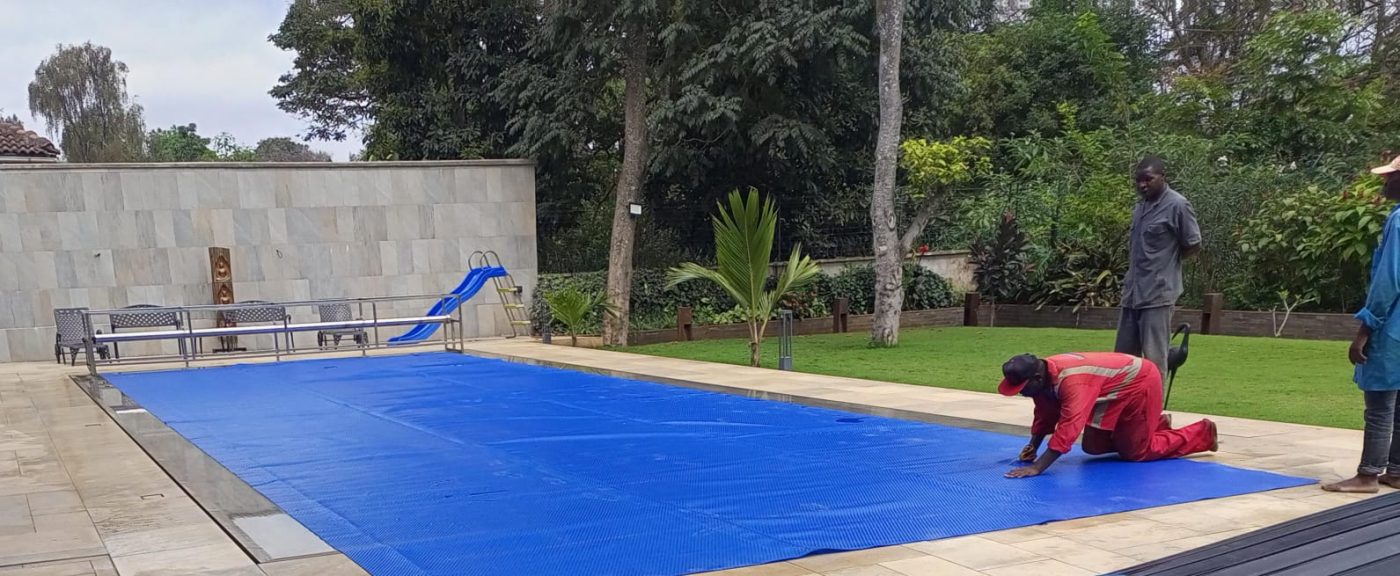
Every pool should have a quality pool cover. Whether they’re ground pools of above ground pools, pool covers are an essential for all pools. Now that that’s out of the way, we’d like to add that buying a pool cover isn’t a decision that should be rushed. If you’re looking to purchase pool covers be sure to check out our custom-cut pool covers at Aqualite shop There are a few different types of pool covers but they all serve one primary purpose and that is protecting your pool. Depending on the type, Pool covers offer benefits like preventing heat loss for heated pools, preventing debris from entering the pool, preventing water from entering the pool , they also prevent UV rays from destroying your pool chemicals. Solar pool covers also prevent up to 95% of pool water evaporation which means more savings on your part. Another thing we absolutely loves about pool covers or solar blankets from Aqualite is that they warm up your pool anywhere from 5 degrees to 8 degrees. Do I need Roller Station for the pool cover? When it comes to removing and replacing your pool cover and prolonging its life, a roller will soon become your best friend! With a range of options, including standard, motorised, under-bench and hidden, a pool roller makes light work of what can sometimes be a frustrating job! What size Pool Cover Should I get? For the best results, your pool cover needs to be fitted correctly to cover both the span and width of your pool. Aqualite can provide you with a free measure and quote. Choose Quality Aqualite’s pool cover has been engineered to endure our harsh environment, weather and pool conditions. They come in 500 or 600-micron thickness, complete with ultraviolet inhibitors, a thicker bubble, outstanding durability, and superior buoyancy, providing you maximum savings that will last the test of time.

The cost of building a swimming pool in Kenya

Swimming Pools

The cost of building a swimming pool in Kenya A swimming pool can add a lot of aesthetic value to your property and countless years of enjoyment to your life. You need to keep in mind that the cost of installing a pool has many variables that even broad estimates vary. Apart from the type of pool (above and in-ground) and extra features you opt for, there are additional cost factors to consider too. These could be size of the pool, location of the pool, ground preparation cost, material cost, pool equipment cost, labor. All these may make a huge difference in your pool’s overall construction cost. On average, the cost of building a swimming pool in Kenya varies. Swimming pool installation costs around Kshs 2,000,000. The range is huge, you could be spending as low as Kshs 1,800,000 to as high as Kshs 6,500,000. Typically, for an average homeowner, it oscillates between Kshs 1,800,000 and Kshs 3,400,000 for an in-ground Swimming Pool. If you choose to include features such as a waterfall, spa, lagoon-style layouts, or heating — the cost will be higher. Inground pool cost factors  Size of the pool The installation cost depends upon the size you have chosen. A small pool (60 sq metres) and a large pool (200 sq metres) may see a price difference of at least Kshs 2,000,000. It is because of the additional materials as well as labor costs.  Ground Preparation Cost also depends on the amount of work the crew has to do in order to prepare the soil and install the pool. While sandy soil is easier to dig, a sloped or rocky yard would require more effort and time. Additionally, if the crew doesn’t have easy access to the site, they may need additional equipment.   Add-on features If you choose to customize your pool with a pool heater, slides, diving boards waterfall, or spa, pool prices will go up. You can also have to opt for safety features such as fencing, pool enclosure, and locking gate.   Conclusion Despite all the cost and maintenance factors, there is a huge advantage in owning a swimming pool on your property. It is a great way to cool off on a hot day. It’s also the most fun way to host a get-together with friends and family. It adds value to your house and looks beautiful. If a pool installation is on your mind, we don’t blame you. At Aqualite we develop Swimming Pools. If you need a Customized on the Cost of building a Swimming pool in Kenya, Click here to get a Quote -> Get a Quote  

error: Content is protected !!
Enquire on WhatsApp Call Now
🤖 Ask Aqualite AI