
 Shop all
Uncategorized
How to Prevent Algae Growth in Your Swimming Pool
Dec
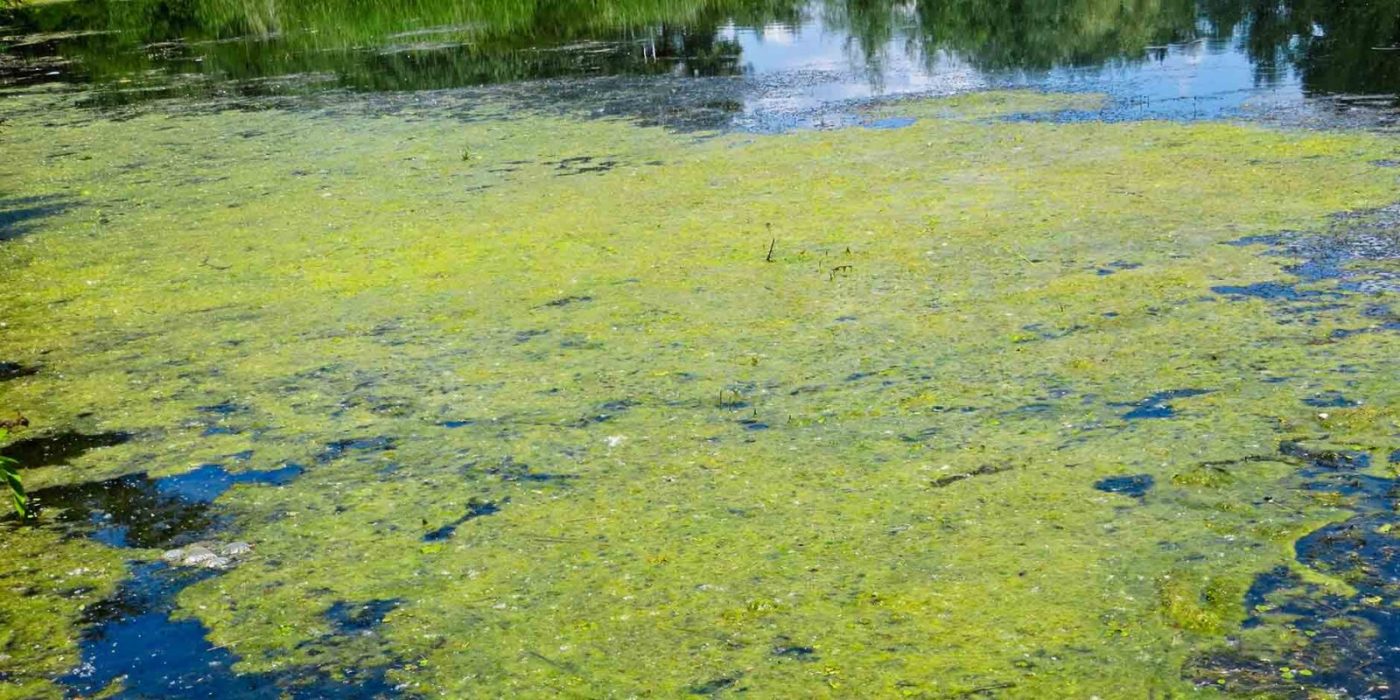
Algae growth is one of the most common and frustrating problems faced by swimming pool owners. It can turn clear water green, make surfaces slippery, and create unhealthy swimming conditions. In Kenya’s warm climate, algae can grow quickly if proper pool maintenance is not followed. The good news is that algae is preventable with the right care, chemicals, and maintenance routine.
This guide explains how to prevent algae growth in your swimming pool and keep your water clean and safe all year round.
What Causes Algae in Swimming Pools?
Algae spores are naturally present in the environment and can enter your pool through rain, wind, dust, or contaminated swimwear. Algae growth is encouraged by:
- Low chlorine or sanitizer levels
- Poor water circulation
- Infrequent cleaning
- Warm temperatures
- Unbalanced water chemistry
Understanding these causes helps you take the right preventive steps.
1. Maintain Proper Chlorine Levels
Chlorine is your first line of defense against algae.
- Test your pool water regularly to ensure sanitizer levels are within the recommended range
- Avoid letting chlorine levels drop, especially during hot weather or heavy pool usage
- Shock the pool periodically to eliminate algae spores before they multiply
Consistent sanitation prevents algae from taking hold.
2. Balance Pool Water Chemistry
Unbalanced water chemistry reduces the effectiveness of chlorine and encourages algae growth.
- Maintain correct pH levels to ensure chlorine works efficiently
- Monitor total alkalinity and calcium hardness
- Test water at least two to three times a week
Balanced water chemistry improves swimmer comfort and keeps algae away.
3. Ensure Proper Water Circulation
Poor circulation allows algae to settle and grow in stagnant areas.
- Run the pool pump long enough each day to circulate all the water
- Check that inlet jets are properly directed
- Clean skimmer baskets and pump strainers regularly
Good circulation distributes chemicals evenly and prevents dead spots.
4. Brush and Clean Pool Surfaces Regularly
Algae often start growing on pool walls, floors, steps, and corners.
- Brush the pool at least once a week
- Pay attention to shaded areas and corners
- Vacuum the pool to remove settled debris
Regular physical cleaning prevents algae from attaching to surfaces.
5. Keep the Pool Filter Clean
A dirty filter cannot remove algae spores effectively.
- Clean or backwash the filter as recommended
- Monitor filter pressure for signs of clogging
- Replace filter media when worn out
Efficient filtration keeps water clear and algae-free.
6. Use Algaecide as a Preventive Measure
Algaecides are useful as a preventive treatment, especially during warm or rainy seasons.
- Use algaecide according to manufacturer instructions
- Apply after shocking the pool for best results
- Avoid overuse, which can affect water balance
Algaecide provides extra protection against stubborn algae.
7. Control Debris and Organic Matter
Leaves, insects, and dirt provide nutrients for algae.
- Skim the pool surface daily
- Remove debris promptly after storms
- Keep surrounding areas clean to reduce contamination
Reducing organic matter helps limit algae food sources.
8. Monitor Pool Water After Rainfall
Rainwater can dilute chemicals and introduce algae spores.
- Test water chemistry after heavy rain
- Adjust sanitizer and pH levels accordingly
- Shock the pool if necessary
Extra care during the rainy season prevents sudden algae outbreaks.
9. Use Pool Covers When Appropriate
Pool covers help limit contamination and sunlight exposure.
- Cover the pool when not in use
- Clean the cover regularly to prevent transferring algae into the pool
Less sunlight and debris mean fewer algae problems.
10. Schedule Professional Pool Maintenance
Professional maintenance ensures early detection and prevention of algae issues.
- Regular servicing keeps chemicals balanced
- Equipment performance is monitored
- Algae risks are addressed before they spread
Final Thoughts
Preventing algae growth in your swimming pool requires consistency, proper chemical balance, and regular cleaning. By maintaining sanitizer levels, ensuring good circulation, cleaning surfaces, and responding quickly to changes in weather or usage, you can keep your pool clear and inviting.
