Pool Products
Pool Maintenance During Rainy Season: Using Algaecide to Fix Green Pool Water in Kenya
Jul
The Caretaker’s Rain Guide: Managing Swimming Pool Chemistry During Kenya’s Long Rains
Kenya’s long rains bring blessings for agriculture, but for pool owners, they spell trouble. Heavy downpours don’t just fill your pool—they attack its chemical balance. Without urgent action, you face an expensive, wasteful full drain. Here’s how to keep your pool swim-ready using targeted shock treatments and clarifiers, saving millions of liters of water.
What Actually Happens to Your Pool During Heavy Rain?
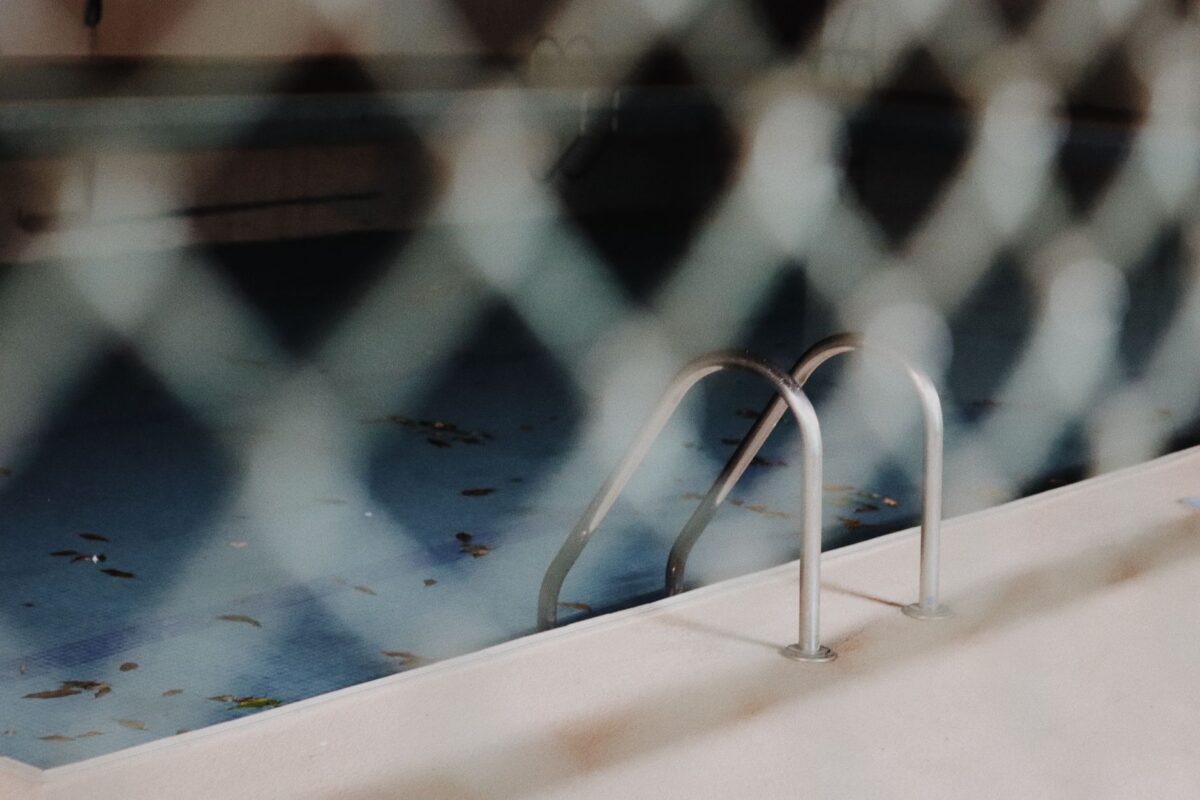
Rain is not pure water. As it falls through the atmosphere and washes over surrounding surfaces, it carries contaminants directly into your pool. The result is a cascade of problems.
The pH Crash
Rainwater typically has a pH between 5.5 and 6.0—acidic by pool standards. Several consecutive days of heavy rain can drag your pool’s pH from its ideal 7.4–7.6 range down to 6.0 or lower. Low pH corrodes equipment, irritates swimmers’ eyes, and renders chlorine ineffective.
The Organic Overload
Rain washes in leaves, grass clippings, dust, bird droppings, and soil. This organic matter consumes your free chlorine as the pool tries to break it down. The chlorine demand can spike dramatically, leaving zero sanitizer residual and inviting bacteria and algae to multiply.
Algae Bloom Trigger
Once chlorine drops to zero, algae can green up a pool within hours—especially during warm, overcast conditions typical of rainy season. The combination of warmth, sunlight through clouds, and nutrients guarantees a bloom. This is why so many pools turn green after a single storm.
Preventing the Full Drain Nightmare
Complete drainage during rainy season is not only costly and wasteful—it’s often unnecessary. Proper chemical management can restore clarity without losing a single liter. Kenya’s ongoing water challenges make this approach critical.
Step 1: Test Immediately After Each Heavy Rain
Don’t wait until the weekend. Test your pool water within hours of a significant downpour. Check these parameters:
- pH: Should be between 7.2 and 7.6
- Free chlorine: 1–3 ppm (higher during rains)
- Total alkalinity: 80–120 ppm
- Cyanuric acid (stabilizer): 30–50 ppm
A simple test kit gives you the data you need to act. If pH is below 7.2, proceed to the next step.
Step 2: Bring pH Back Into Range
To combat rain’s acidity, you’ll need to raise pH. Use sodium carbonate (soda ash) or sodium bicarbonate for alkalinity corrections. For a standard residential pool, calculate carefully—adding too much creates its own problems. Aim for the middle of the ideal range, not the top.
Step 3: Shock with Aqualite Products
Standard chlorine tablets won’t handle the organic load from rain. You need a shock treatment to super-oxidize contaminants and burn off combined chlorine. Aqualite shock treatments are formulated specifically for this scenario.
Apply a non-chlorine shock if you plan to swim within hours, or a calcium hypochlorite shock for heavy organic loads. Follow the label dosage based on your pool volume. For severely impacted pools, double-shocking may be necessary.
Why Aqualite works during rains:
- Fast-acting formula oxidizes organic waste quickly
- Restores free chlorine levels even in low sunlight
- Prevents chlorine lock caused by combined chloramines
Step 4: Use a Clarifier to Avoid Filter Clogging
After shocking, dead organic particles and algae cells will cloud the water. Your filter will try to catch them, but the sheer volume can overwhelm sand or cartridge filters. Aqualite clarifiers bind these microscopic particles into larger clumps that your filter can trap effectively.
Add clarifier directly after shock, then run the pump continuously for 24 hours. Backwash or clean the filter when pressure rises 8–10 psi above normal. This step alone can restore clarity in two days, avoiding weeks of filter strain.
How to Fix Green Pool Water Without Draining
If your pool has already turned green, panic is natural—but draining is a last resort. Follow this rescue protocol:
- Lower pH to 7.2 using pH decreaser if needed (green water often has high pH from algae consumption).
- Brush all surfaces—walls, floor, steps, and ladder. Break the algae’s hold on surfaces.
- Shock with triple the normal dose of Aqualite shock. Algae kills free chlorine instantly, so you need to exceed the demand.
- Add algaecide as a backup. When researching algaecide price Kenya, don’t buy the cheapest option—it may lack copper or quaternary ammonium compounds needed for stubborn algae.
- Run pump 24/7 and backwash frequently. Dead algae turns water gray before clearing.
- Add Aqualite clarifier once the green tint fades to capture remaining debris.
This method typically clears a green pool within 3–5 days, using only shock, algaecide, and clarifier—no drainage required.
Long-Term Rainy Season Maintenance Tips
- Keep stabilizer (cyanuric acid) between 40–50 ppm to protect chlorine from rain dilution and UV breakdown.
- Skim daily during rains—remove debris before it sinks and decomposes.
- Cover unused pools when possible. A simple cover blocks 90% of rainwater contamination.
- Test every three days even during breaks in rain. Chemical shifts happen fast.
Saving Millions of Liters, One Pool at a Time
Kenya faces periodic water shortages. Draining a 50,000-liter pool and refilling it wastes a resource that entire communities rely on. By mastering pool maintenance during rainy season with Aqualite shock and clarifier protocols, you preserve water, save money, and keep your pool swim-ready.
The long rains don’t have to mean long headaches. With the right chemistry, you beat the weather without dumping a single liter.